
G4Free 40L Backpack Review: A Packable Bag That Knows What It Is
Affiliate Disclosure: Some links on this page may be affiliate links. If you buy through them, Best Trail Backpacks may earn a small commission at no extra cost to you. As an Amazon Associate, I earn from qualifying purchases.
You are three days into an international trip when you wander into a street market and leave with more than you planned. Or you reach a trailhead for a half-day walk and realize the 65-liter technical pack in your car is overkill for a water bottle, a snack, and a rain layer. That is the gap the G4Free 40L Lightweight Packable Backpack is built to fill. It solves the moment when you need an extra bag but have no practical way to carry a bulky, rigid pack from home.
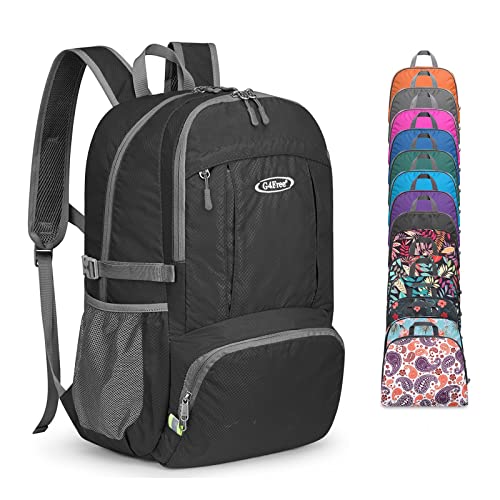
This is not a technical hiking pack. It weighs about 1 lb, folds into an integrated pouch with a fold size of 9.4 x 8.7 inches, and slips inside your main luggage until you need it. For a certain kind of traveler and a certain kind of day out, that combination is worth more than any amount of frame engineering and load-transfer technology.
The honest question in this G4Free Travel Backpack review is whether the reality matches that pitch, and for whom it actually holds up.
TL;DR: G4Free Travel Backpack Review
Category
The Verdict
Best For
Budget-conscious travelers, light-gear day hikers, and gym-goers who need wet and dry gear separation.
Key Strength
40L volume in a frameless pack weighing roughly 1 lb, featuring a dedicated wet pocket.
Main Weakness
No structural support. The frameless design punishes heavy loads and cannot transfer weight to the hips.
Buy If
You need a packable backup bag for travel, a lightweight daypack for short trail walks, or a bag that disappears into your luggage when you do not need it.
Skip If
You carry heavy gear, have back pain, or want a pack for all-day hiking with any real load.
Price Tier
$ (Under $100, typically well under $50)
Best For
The Verdict: Budget-conscious travelers, light-gear day hikers, and gym-goers who need wet and dry gear separation.
Key Strength
The Verdict: 40L volume in a frameless pack weighing roughly 1 lb, featuring a dedicated wet pocket.
Main Weakness
The Verdict: No structural support. The frameless design punishes heavy loads and cannot transfer weight to the hips.
Buy If
The Verdict: You need a packable backup bag for travel, a lightweight daypack for short trail walks, or a bag that disappears into your luggage when you do not need it.
Skip If
The Verdict: You carry heavy gear, have back pain, or want a pack for all-day hiking with any real load.
Price Tier
The Verdict: $ (Under $100, typically well under $50)

Trail Story: The packable backup bag is one of those pieces of gear that earns no credit until it earns everything. As an observer of outdoor and travel habits, I notice most travelers ignore it entirely until they hit a day when their main luggage stays at the hotel, the trail goes longer than expected, or the souvenir haul from the morning market gets out of hand.
At that point, a bag that weighs about 1 lb and lives folded in a pocket stops being a novelty. It starts being the most useful thing in the pack.
The tradeoff is obviously structural support. But for trips and hikes where the load is light and the conditions are forgiving, the weight math almost always works in favor of packable.
The Anatomy of a Packable Daypack
Before getting into how the G4Free performs, it helps to understand the category. A lot of buyers end up disappointed with packable bags after expecting them to behave like structural hiking packs. They are different tools built for different jobs, and setting realistic expectations prevents frustration later.
What “Packable” Actually Means
A packable backpack is designed around one primary feature, which is the ability to compress itself down to a fraction of its unloaded size. The G4Free collapses into its own front pocket and reaches a folded size of roughly 9.4 x 8.7 inches.
Unlike some ultralight bags that require origami skills to pack away, this pouch is generously sized, allowing you to stuff the fabric back inside without wrestling it. That makes it genuinely pocketable and easy to tuck inside a carry-on, a checked bag, or even a large jacket pocket. When fully unpacked, the pack expands to full dimensions of 18.9 x 12.9 x 9.4 inches.
What that design trades away is rigid structure. The G4Free is entirely frameless. There is no internal frame sheet, no aluminum stay, and no load lifter system (the small straps near the top of the shoulders that pull the pack closer to your spine to keep it from sagging away from your back). The shoulder straps are breathable widened S-type shoulder straps with sponge padding.
There is no waist strap or padded hipbelt. These are intentional design choices for a bag built around maximum packability and a minimal weight of roughly 1 lb.
For travelers packing this bag, a useful trick to remember is that because the pack has no rigid frame, folding a fleece jacket or laying flat clothing along the back panel acts as a makeshift frame sheet, giving the pack structure and protecting your back from hard objects inside.
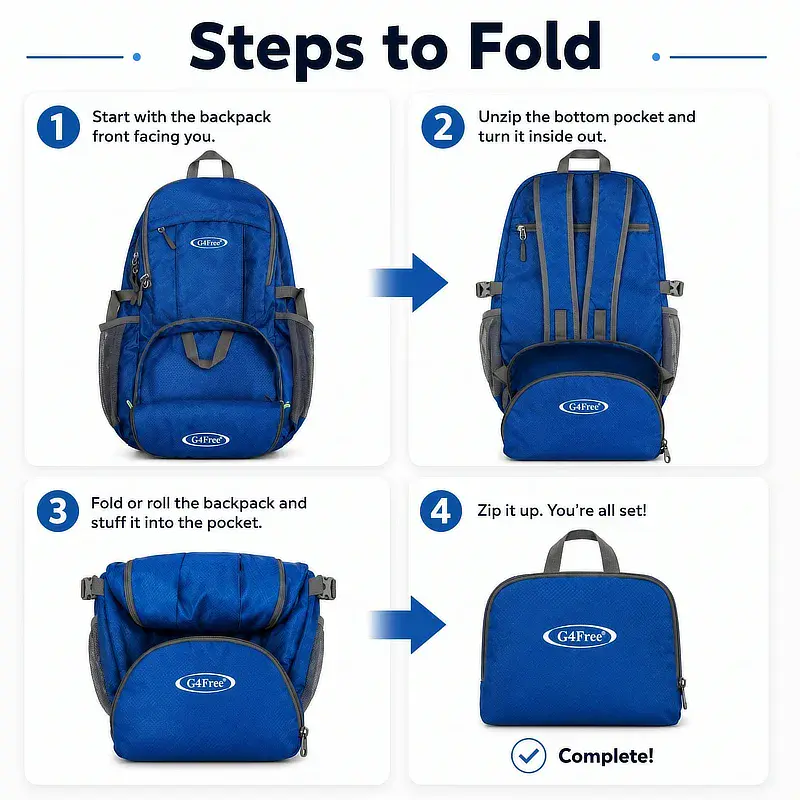
The folding trick is useful, but packability is only half the story. A bag can disappear into your luggage and still feel annoying if you load it like a framed hiking pack. That is where the next tradeoff matters.
The Frameless Tradeoff
A framed pack serves one job above all others. It transfers load weight from the shoulders down through the hipbelt and into the hips and legs. That is why a 35-liter technical hiking pack with a proper hipbelt can carry 30 lbs comfortably for an 8-mile day, while the same weight in a frameless bag becomes a shoulder-grinding ordeal by mile two.
This video gives a helpful look at how the G4Free 40L folds, opens, and organizes gear in real time.
The G4Free is designed for loads that sit roughly in the 10 to 20 lb range, ideally on the lighter end of that spectrum. Buyers who need a capable framed pack for longer outings are better served by options in our Best Hiking Backpacks Under $100 roundup, where structural support comes standard even at budget prices.
Performance in Practice
Comfort and Fit
The shoulder straps on the G4Free use breathable, widened S-type straps with sponge padding, which buyer feedback suggests helps manage shoulder comfort during city walks and casual day hikes. On its own, that padding is a positive addition for a packable daypack in the budget tier. The limitation shows up once the pack approaches capacity.
Because the bag is frameless, comfort is almost entirely a function of what you put in it and how you pack it. Reviewers report that placing soft, flat items against the back panel creates a more stable carry experience, while water bottles and hard objects packed near the back can become noticeable quickly.
The adjustable chest strap with a whistle buckle helps stabilize the bag against your torso during movement and reduces bounce on downhills. Since there is no hipbelt to distribute weight, adjusting the chest strap so it sits high and relatively snug can help pull the shoulder straps inward, taking a small amount of tension off your outer neck and shoulder muscles. However, all of the weight ultimately sits directly on your shoulders.
Editor’s Note: What the spec sheet does not show is that the G4Free’s comfort ceiling is determined almost entirely by pack contents, not by suspension engineering.
When I look at the construction, the thin nylon shell and sponge-padded straps work well precisely because there is no frame generating a rigid carrying surface that would need to be offset with thick lumbar foam. The design is internally consistent.
The problem arises when buyers compare it against framed daypacks in a one-to-one comfort test. Measure it against other roughly 1-lb packable bags at a similar price point, and the widened S-type padded straps and chest-strap configuration actually represent solid value for the category.
Organization and Accessibility
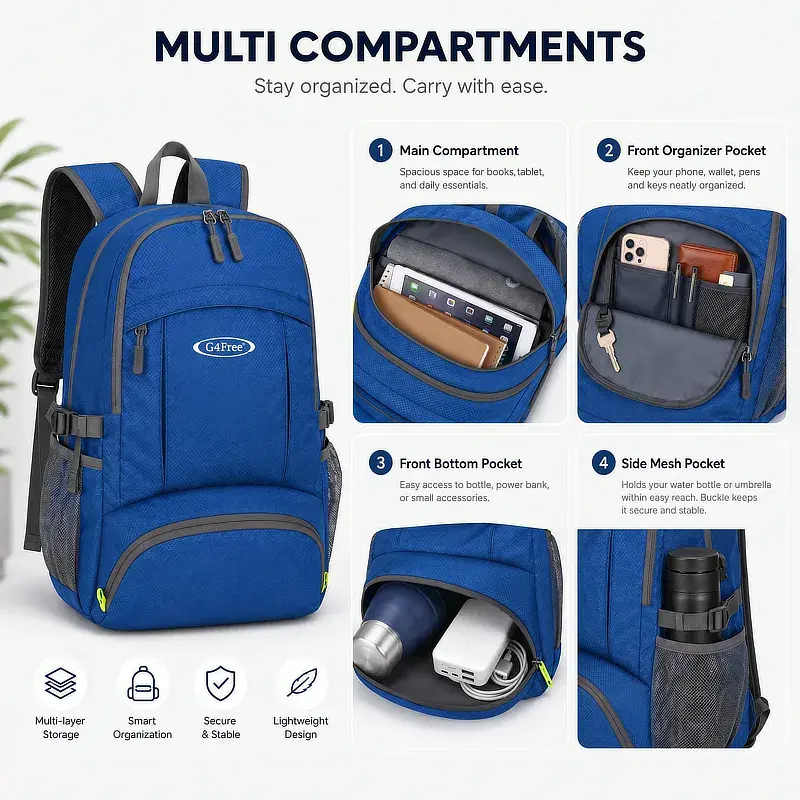
The feature that gets the most consistent praise from buyers is the waterproof-lined wet pocket at the back of the pack.
This rear wet pocket is a dedicated compartment that separates wet items from dry gear. Swimmers use it for soaked suits, gym users for post-workout clothes, and hikers for a rain layer that gets used. At this price point, that detail is not standard, and it earns its mentions in the reviews.
The dual side mesh pockets are deep enough for a standard water bottle when the main compartment is not fully loaded, though they can become tight when the bag is packed to capacity.
Side buckle straps are positioned just above these mesh pockets, which buyers report are useful for securing taller water bottles and keeping them from slipping out when bending over.
The top exterior pocket handles small items well, such as keys, a folded map, or a portable charger. It is a slim pocket rather than an organizer, so anything beyond the basics requires the main compartment.
Because the bag is floppy when not full, it benefits from a deliberate packing strategy. Keeping flat items (a rain jacket, a soft layer, a dry bag of snacks) against the back wall creates a more stable carry profile. Packing randomly tends to produce a shifting, shapeless load that feels heavier than it is.
Weight-to-Strength Ratio
At roughly 1 lb, this is very light for a 40-liter packable bag. That weight includes an adjustable chest strap with a whistle buckle. To preserve its packable profile, the G4Free does not feature an internal hydration bladder sleeve or a hose port. Water carry relies entirely on the dual side mesh pockets.
The tear-resistant and water-resistant nylon fabric receives positive marks in buyer feedback. Review patterns suggest that it handles brush scrapes, airport transit, and frequent pack-and-unpack cycles without tearing or fraying at the seams.
The two-way SBS zippers (a heavy-duty brand trusted in rugged outdoor gear) generally receive positive marks for smoothness, with the main exception being the fabric zipper guards, which buyers report can catch on the teeth when pulled at an angle.
Review patterns indicate the nylon fabric repels light rain and splashes well, but in sustained downpours, moisture eventually enters through seams and zipper gaps. It is best to treat it as water-resistant and bring a pack liner if the forecast calls for serious rain.
Who Is This For?
The Right Fit
The G4Free earns its place for three specific types of buyers. First is the traveling minimalist who needs a packable backup bag that lives inside their main luggage. Arriving in a city with a 40-liter bag that weighs roughly 1 lb, ready for a day of exploring or a shopping run, is a genuinely useful proposition.
Second is the day hiker doing short, relatively flat routes with a light pack. If the total load sits under 15 lbs and the terrain is forgiving, the G4Free carries well enough for a 3 to 5-mile nature walk. The deep side pockets and side buckle straps add trail-ready utility that most basic backup bags skip entirely.
Third is the gym user or commuter who needs wet and dry gear separation in a lightweight bag. The rear wet pocket makes this bag genuinely practical for anyone moving between a pool, a gym, or a beach and who wants to keep wet gear separate from electronics and dry clothes.
The Pass Category
Skip this bag if you have chronic back pain or shoulder issues. The frameless, no-hipbelt design means the full load sits on the shoulders, and that compounds quickly over distance or time. A framed bag with a proper load-transfer hipbelt is not a luxury for people with back pain. It is a practical requirement.
Skip it also if the plan involves carrying technical hiking gear, heavy camera equipment, or any load that regularly pushes above 20 lbs. The suspension system simply is not built for it. For packs that handle that kind of load without punishing the shoulders, the Best Hybrid Daypacks roundup covers options that do both trail and everyday carry with actual structural support.
If your use case still sounds like light travel, gym carry, beach days, and short nature walks, check the current G4Free 40L price and availability here.
Pros and Cons
Where It Delivers
Excellent weight-to-volume ratio: A 40-liter bag that weighs roughly 1 lb and folds into a compact pouch is a strong practical advantage, especially at the budget end.
The rear wet pocket is highly practical: A dedicated, waterproof-lined pocket for wet gear at the back of the pack is a thoughtful feature that prevents the soaked-everything problem.
Fabric durability is better than the price suggests: Buyer feedback consistently praises the fabric’s resistance to minor brush, snags, and airport handling.
The Honest Part
No structural support for heavier loads: The frameless design and lack of a waist strap mean all weight rides on the shoulders. Packing beyond 15 to 20 lbs turns this bag uncomfortable quickly.
Zipper guards can catch: The fabric lips covering the zipper teeth snag intermittently, particularly if the zipper is pulled at a sharp angle.
No hydration integration: The lack of a bladder sleeve or hose port means you are entirely dependent on the side mesh pockets for carrying water.
Maintenance and Longevity
The nylon construction is low-maintenance by design. For routine cleaning, turn the bag inside out, wipe down the interior with a damp cloth, and leave it open to air dry completely before folding. The wet pocket benefits from a quick rinse after carrying anything damp, since trapped moisture in a sealed pocket can produce odor over time.
For hand washing, use cold water and a small amount of mild detergent. Avoid machine washing if possible. The agitation cycle stresses the seams and zipper stitching more than the nylon fabric itself, and repeated machine washing will shorten the bag’s lifespan noticeably.
Between trips, store the bag loosely rather than compressed into its pouch. Keeping it folded under pressure for months at a time can stress the fabric folds, zipper areas, and coated surfaces over time. A dry drawer or shelf is sufficient.
Final Verdict
The G4Free 40L Packable Backpack delivers exactly what a backup bag at this price should. It offers surprising volume, genuine lightweight credentials, and features like the rear wet pocket that punch above the category average.
While it lacks the premium materials and refined finish of higher-end, more expensive packable daypacks, it costs a fraction of their price and offers a larger volume.
It is not a hiking pack in any structural sense. But it is an honest, practical bag for travelers who need a reliable extra and day hikers whose loads are light enough that frame engineering is not the point.
Editor’s Note: Buy the G4Free as a travel backup or a light-load daypack companion, not as your primary trail bag. Buyer feedback points to the same pattern, suggesting it is best suited for loads under 15 lbs on terrain that does not demand structural support, such as city day trips, short nature walks, beach days, and the souvenir run on the last afternoon of a trip.
If you have carried heavier travel packs that spent most of a trip buried in your luggage, taking up space, this bag offers a different calculation. It costs little, weighs roughly 1 lb, and gets out of the way when you do not need it. For that specific use case, the value is real.
The bag earns no praise for comfort under heavy loads, and anyone with back pain or shoulder sensitivity should look elsewhere. But within its actual use case, the weight-to-volume ratio at this price tier makes it a strong budget value.
Have a specific use case in mind, or questions about whether this bag fits your pack list? Drop them below. The right gear decision usually comes down to one or two details that a spec sheet never quite answers.
Founder & Gear Research Editor

Sonia Zannoni
I’m Sonia, the founder and Gear Research Editor behind Best Trail Backpacks. I research hiking backpacks through a comfort-first lens, with a focus on fit, back pain, ventilation, practical trail use, and the small design details that can make or break a hike.
I do not pretend to personally test every backpack I cover. Instead, I compare manufacturer specifications, product details, verified buyer patterns, and practical fit guidance to help casual hikers make better buying decisions without getting buried in gear jargon.
My goal is simple: help you choose a backpack that fits your body, your trail plans, and your budget, without the usual overwhelm.
About the Founder
I have the G4Free 40L pack, and I rate it as high as you do. However, to list no cons whatsoever, I think it is a little misleading. You could have said that due to its extremely lightweight construction, more care needs to be taken in the Bush. The lack of a hip belt can sometimes make it difficult to distribute the weight comfortably. You could have mentioned the pack needs to be used with a foam seat like the thermarest Z seat for comfort on the back when fully loaded or that the front pouch is very thin, making it difficult to take things out when the pack is filled.
All this being said, the pros far outweigh the cons. The pack is ultralight and ultra-cheap without being ultra crap. So much so that I immediately purchased the 45-liter variant for multiple-day trips.
Duly noted, thanks for your insightful thoughts about the G4Free travel backpack. They are much appreciated. I hope you enjoy using the 45L version of the G4 pack as well.
I like the fact that it is lightweight. I have a family already to carry along on our next trip. I don’t want to begin to worry about the weight of the bag itself. I will go check it out on Amazon.
What about the quality of the material? Can I use this back in rough terrains? Thanks for sharing.
The G4Free backpack is made of high-quality, ultra-durable nylon fabric. It is also water and tear-resistant, so, yes, it will withstand hiking on rough terrains.
If you have more questions about the G4Free Travel Backpack, don’t hesitate to drop me a line I will gladly assist you.
That looks like an excellent backpack. Mine has padded shoulders with chest and waist straps and is certainly showerproof, not sure how it would fare in heavy rain. My backpack certainly isn’t as lightweight as the G4Free Travel Backpack is.
I was going to loan my backpack to my grandson for a hiking trip. However, it looks like he might want something along the lines of this G4Free backpack.
Thank you for the informative article, it’s very useful. Will share on social media.
What is the brand of your hiking backpack, Linda? Since the G4Free 40L backpack offers excellent value for the price, you can’t go wrong by picking the G4Free for your outdoor adventures. I think that your grandson will be pleased with its purchase of the G4Free hiking bag. Thanks for sharing.
The G4 Free Backpack seems to have a lot of colors to choose from. I would always go for the blacks and darks, especially if it is a hiking adventure.
The size is quite OK for a few days out there. I love that it is waterproof, perfect for the outside weather. The different compartments add to its functionality. I am impressed that items can still be attached outside the bag and always be able to carry it comfortably. I will not need to pack and unpack every time I am looking for an item. Thank you for this great suggestion.
Yes, you are right, the G4Free Travel Backpack is quite versatile and quite roomy for storage space of 40L! Thanks for stopping by.
I would like to know where are these backpacks produced.
The G4Free 40L Travel Backpack is made in China.